This page is an extension of 56 Tactical Patterns That All Chess Players Should Know.
Tactical targets are weaknesses or vulnerabilities in your opponent’s position that can be exploited by tactical means.
In this lesson, you’ll learn about seven common targets that can create tactical opportunities.
Target #1: Undefended Pieces
Undefended pieces are among the most common tactical targets. White’s bishop on b4 is undefended.
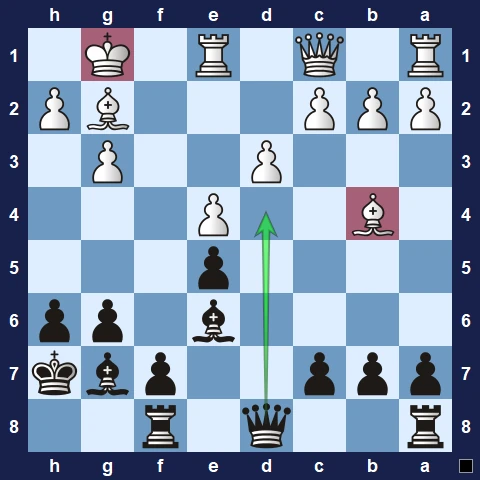
1… Qd4+ followed by 2… Qxb4. Undefended pieces are frequent tactical targets. Always look for pieces that lack protection or can be attacked more times than they are defended.
Target #2: An Exposed King
The most important target in chess is the king. An exposed king lacks adequate protection from its pieces and pawns.
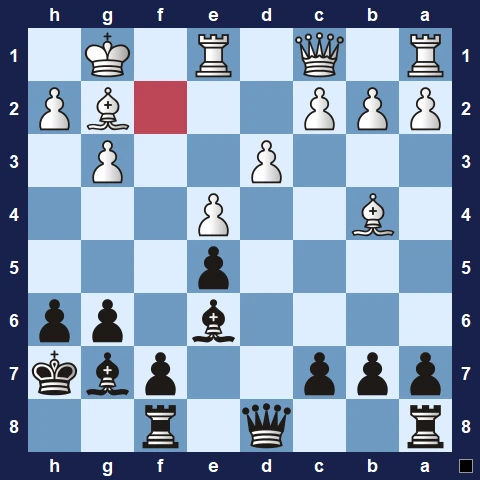
White advanced their f2-pawn at an earlier stage of the game. Even though it may not have been a mistake at the time, it was important for White to be aware that the missing pawn on f2 exposes their king to possible checks, which now allows 1… Qd4+, winning the undefended bishop on b4.
Target #3: Important Defenders
A piece that performs an important defensive role can become a tactical target.
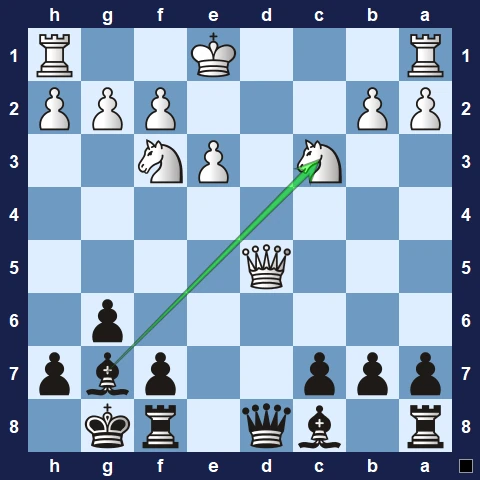
Black plays 1… Bxc3+, removing the only defender of white’s queen. At the same time black gains a tempo by checking the exposed white king.
Target #4: Higher-valued Pieces
Higher-valued pieces are attractive tactical targets because they are often forced to move when attacked by a lower-valued piece.
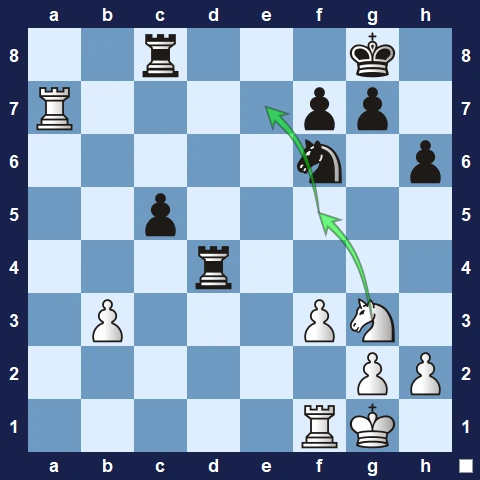
White plays 1. Nf5! to attack the higher-valued rook on d4. The point is that white gains a tempo with this threat and on the next move they can play 2. Ne7+, forking the black king (and rook on c8).
Target #5: Pieces with Limited Mobility
Pieces with limited mobility can be a target because they already have fewer safe squares available.
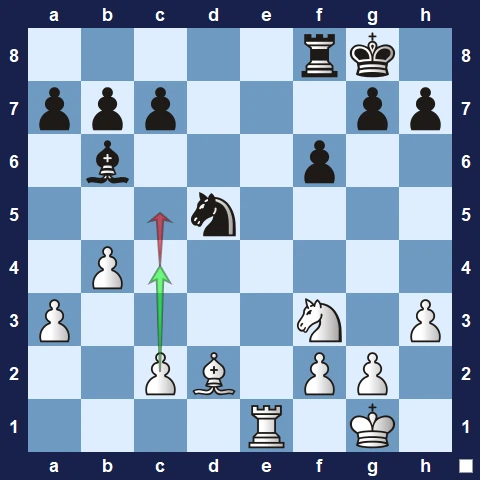
White’s move, 2. c4 wins a tempo against Black’s higher-valued piece, the knight. On the next move white will use the extra tempo to play 3. c5 to trap and win the black bishop on b6.
Target #6: Captures
A piece that can be captured, even if it is defended, is a potential target. A capture or trade is often the catalyst that creates new tactical targets.
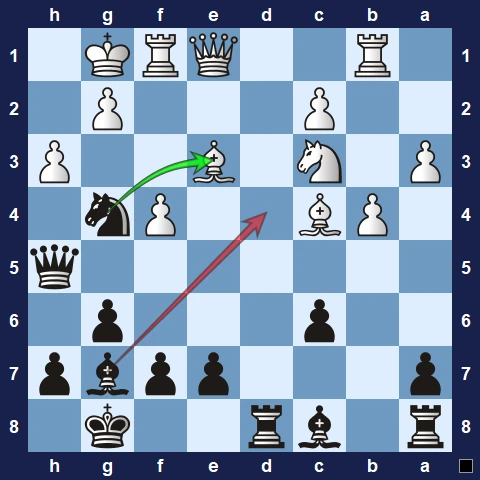
At first glance the moves 1… Nxe3 2. Qxe3 appear to be a straightforward piece exchange. However, after these moves Black can play 2… Bd4, pinning the white queen (the new target created by the trade) to White’s king.
Piece-exchanges often create new tactical opportunities by removing defenders, attracting a new target or exposing other pieces.
Target #7: Weak Back Rank
A weak back rank occurs when a king has limited escape squares, because its own pawns restrict its movement and the back rank is undefended or poorly defended.
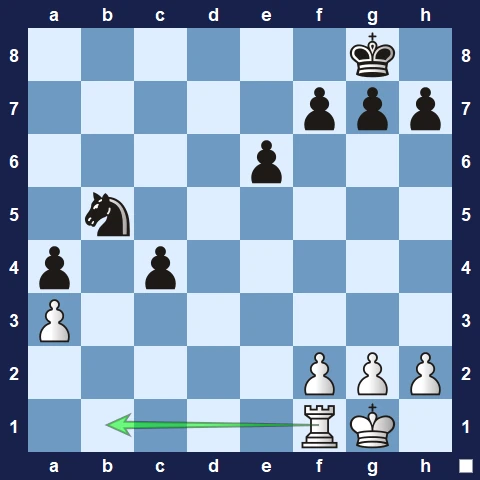
1. Rb1 wins the knight. If the knight moves, White can mate on the back rank.
Understanding the role of targets in tactics is an essential part of tactical skill. However, recognizing the target is only half the battle. You must also recognize the tactical patterns that exploit it.
To study tactical patterns more deeply, 300 Essential Tactical and Checkmate Patterns gives you carefully selected examples organized by theme.